Buyers December 2, 2021

Simple Tips to Make Your Move Easier

Your needs as a homeowner change over time, and you need the right home to fit those needs. Accordingly, it’s highly likely that at some point in your future you will experience another moving day. While moving can be challenging, there are resources to make it easier. If you are remaining in your current area, your Windermere agent can continue to be a valuable resource on communities, schools, utilities, transportation, recreational opportunities, and more.

If you are moving out of the area, your agent can help you with a referral to another reputable agent in your new community. Many agents also have relationships with real estate-related service companies in their area whom they can call upon for information regarding title, escrow, mortgages, temporary housing, and moving services. They can also help guide you in your search as you learn more about new communities and relocation services.

You’ve decided to move. Now what?

Once you have reached your decision, it’s time to gather information, start making decisions and get organized. Begin by creating a “move” file to keep track of your estimates, receipts, and other information. If you’re moving for a job, some expenses may be deductible, so you’ll want the paperwork when tax time comes.

If you are moving out of the area, start researching your new community and ask your agent for help in finding a referral agent in your new area. You’ll also want to determine whether you want to rent first or buy immediately. Your new agent should be able to help you with your decision. Once you know where you’re going, you’re also ready to get estimates from moving companies.

Closing one door, opening another

After you have chosen a moving date and either hired a moving company or reserved a rental truck, it’s time to wrap things up in your old neighborhood and start establishing relationships where your new home is located. This is particularly important if you are moving to a new town/city. You may want to ask your current doctors, dentists, etc. if they have any referrals on care providers in your new location. Be sure to check their recommendations on your insurance company’s online provider search list. Once you arrive, you may also want to ask new coworkers, friends or the school nurse for their recommendations.

Contact your children’s school and/or day care and arrange for their records to be sent to their new school district or day care. Call your insurance agent about coverage en route to your new home and also arrange for insurance in your new home. Remember to contact utility companies to disconnect, transfer or end service in your current home and turn on service in your new home.

You’ll want to file a change of address form with the U.S. Postal Service, either online or at your local office. If you don’t know your new address, have them hold your mail at the post office in your new locale. Don’t forget to cancel or transfer magazine and newspaper subscriptions as well.

If you belong to a health club or other association, contact them about ending or transferring your membership. Some clubs require written notice before cancellation. Finally, contact your bank or credit union to transfer or close accounts; if you have a safe-deposit box, don’t forget to clean it out before you leave.

Starting the countdown

With moving day in sight, it’s time to get organized. Here are a few items to check off your list before you start packing:

  • Tie up loose ends. Be sure to send out an email or change of address cards with your new contact information to family, friends, and associates. Return library books and any other borrowed items you may still have.
  • Triage your possessions. Determine what you are taking with you; what you are giving away to friends, family, or a favorite charity; and what is going to the dump or recycling center.  If you have time, you can hold a garage sale or post items on craigslist.org or ebay.com.
  • Clean up. Drain all gas and oil from your mower, other machinery, gas grills, kerosene stoves and lamps, etc., before loading them onto a moving truck. Empty, defrost, and clean your refrigerator at least 24 hours before your move, and prepare other appliances for moving as well.
  • Have your car serviced. This is especially important if you are driving to your new home.

Packing strategies

If you are doing your own packing, start collecting boxes and/or buy them from your movers. It may take a few days to do your packing, so be sure to pack non-essential items first and label them carefully. If you have any valuables, it’s recommended that you take them with you as opposed to packing them. You risk the chance of losing those items if they’re packed away in boxes. It’s also smart to take along a box of essentials, including items such as toilet paper, paper towels, tape, soap, scissors, pens, paper, and your toiletries. That way you won’t have to track these items down once you’ve arrived in your new home.

SOLD November 29, 2021

NEW LISTING: Lakeridge Fixer Now Pending

11033 Lakeridge Drive S
Seattle, WA 98178
$365,000

  • Beds: 2
  • Baths: 1
  • Sqft: 1,020
  • Days on Market: 2

Golden opportunity to earn instant equity! Solidly built, one-level home in popular Lakeridge neighborhood anxiously awaits transformation. Lots of favorite features to restore: Cedar siding, hardwood floors, original hi-quality millwork, big picture windows, cozy fireplace, farm-style kitchen. Beautiful large lot thoughtfully landscaped with Northwest native plants and hedges has been pampered and professionally maintained by long term owner-in the same family for 50 Years! Ideal location for quiet living with ultra-easy access to all major freeways/commute routes. Shopping and entertainment minutes away in Downtown Renton; quick hops to Lake, parks, trails for all kinds of recreation. Start with soap and water, then watch it bloom.

SOLD November 29, 2021

SOLD: Homes in Bellevue, Bothell & Seattle

16930 SE 41st Street
Bellevue, WA 98008
$1,663,000

  • Beds: 4
  • Baths: 3
  • Sqft: 3,000
  • Days on Market: 6

Well-designed 4bedrmfour-bedroom in popular 41 Point 5 neighborhood checks off all the Must Haves: Quality community min. to all primary commute routes, instant access to a world of recreation at nearby Lk Sammamish/Vasa Park, hi-demand Bellevue Schools. Perched on an east-facing hill, vaulted ceilings & tall windows bring in abundant natural light with privacy secured by the shelter of tall evergreens. Modern granite kitchen w/ newer black SS appl., new carpet, fresh paint, new H2O heater, central A/C & standby generator. 3 firplcs keep things cozy, fun loft for flex space, & primary suite has privt deck w/Lake views. Pretty yard, mature landscaping, decks, hot tub & koi pond. Impeccably maintained in & out. This home is your portal to Easy Living.

11331 E Riverside Drive
Bothell, WA 98011
$725,000

  • Beds: 6
  • Baths: 3
  • Sqft: 2,714
  • Days on Market: 43

Opportunity knocks! First time EVER on the market. Home is newer than 1941, just needs updating yet is a blank slate waiting for you to bring your vision and make it exactly what YOU want your new home.! Nice territorial view. Easy access to schools, shopping, and freeway. Private road.

3103 16th Avenue S
Seattle, WA 98144
$565,000

  • Beds: 3
  • Baths: 2
  • Days on Market: 8

Superb location for a Make It Fancy project! Early 1900’s Craftsman on corner lot in popular neighborhood is aching for a proper remodel/refurbish. Tall ceilings, period millwork, large primary rooms, big open space upstairs and basement with private entrance-an attractive beginning for a grand scale remodel/rebuild with solid upward potential. Seattle skyline /Olympic views from 2nd story expansion? Beacon Hill Light Rail, Fresh Flours, Milk Drunk, Red Apple and variety of restaurants & brew pubs all walkable in 10min or less! RSL zoning.

Restaurant Reviews November 28, 2021

RESTAURANT REVIEW: Asadero Ballard

COVID Status: Go here to learn about requirements to show proof of vaccination in King County and here to learn about the latest mask requirements in King County.

Recommendation: This one isn’t for my vegetarian friends! Asadero is a Mexican steakhouse. Service is good and the food is delicious. All in all, a must-try.

Food: We started with bread baked with cotija cheese topped with pico de gallo, which was a bit spicy. It was a delicious starter. After that I had the Ensalada De La Casa (spring mix, sliced tomatoes, shaved red onion with house made cilantro-citrus vinaigrette.)

It was sizable, perfectly dressed, and flavorful. For my main course, I had the Parilla Sonora (9 oz American Wagyu medallions served with grilled onion, Anaheim chile relleno and refried beans on a hot sizzling stone). It was perfectly seasoned, and while they bring you different condiments, it’s perfect just the way it is. However, enjoy it with the chimichurri sauce, just because they have perfected making chimichurri sauce scrumptious.

Also, do yourself a favor and order the potato. I wasn’t certain what to expect, so when this large baked potato showed up covered with cheesy goodness and bacon pieces, I wasn’t expecting it to be as delicious as it was! The potato could’ve been a meal all on its own, and it is more than shareable for two or three people. Especially if you’re ordering several sides to share.

Service: The service was good, although there were a couple of small hiccups that they quickly fixed once we brought it to their attention. The staff were friendly and attentive.

Atmosphere: I can’t speak much about the atmosphere since we took advantage of the outdoor seating which is offered by many restaurants in the Ballard business district via three-sided sheds in former parking spots. Asadero had several heaters in the space, so we were quite comfortable. The brief time that I was in the restaurant to check in, it seemed warm, cozy, and inviting.

Hot tip: My one caution is to expect the table to be very crowded. The wooden trays with the hot stone and other plates are large. Throw in a bottle of wine and several glasses, water glasses, water carafe, the condiments, and sides and you have a very full table!

Location:

Asadero Ballard
5405 Leary Ave NW
Seattle, WA 98107
(206) 659-4499

Image courtesy of Asadero Ballard.

From Don November 25, 2021

Gratitude 2021

Dear friends,

I hope the season finds you and yours with much to be thankful for. After another challenging year for so many, it’s more important than ever to see the beauty in life and the good in others.

On that note, I have a lot to be grateful for this year—friends, family, our health, home and garden, and of course, our two sweet dogs.

Professionally, I’ve been fortunate to have helped 25 families achieve their life goals this year, and am grateful to the fantastic team of real estate professionals who help me accomplish this every day.

Last but certainly not least, I’m thankful for you—your business, your referrals and your support.

Here’s to a warm holiday season and a happy new year.

Thankfully,

Don

Design November 23, 2021

How to Upgrade Your Dining Room

The dining room is a place of gathering, comfort, and community. Creating the right mood in the space is a matter of choices in décor and design. For example, a traditional dining room creates a heartwarming tone whereas a modern one feels minimalist and light. Homeowners can often feel puzzled when trying to upgrade their dining room, since it typically isn’t as simple as buying new appliances or green-lighting a remodeling project. Here are some simple ideas to help you upgrade your dining room and achieve the atmosphere you’re looking for.

Lighting

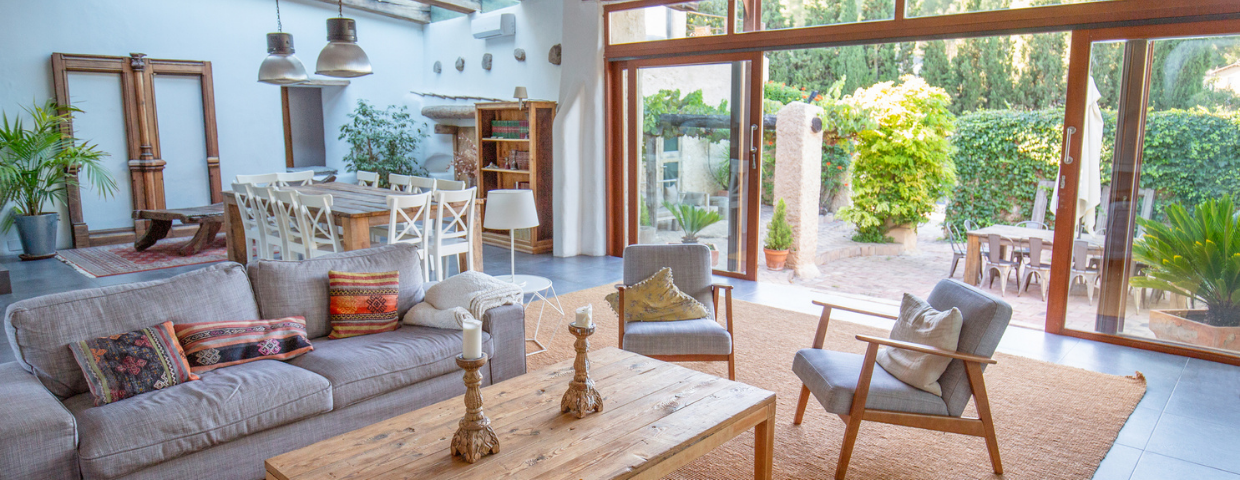
A light fixture is often the centerpiece of a dining room. Your choice in lighting can greatly reinforce the dining room theme you’re going for, so look for fixtures that reinforce the other elements of the space. A chandelier will add a formal touch to the room, while more modern fixtures like pendant and warehouse lights can deliver a sense of chic sophistication. If you plan to hang a chandelier, keep in mind that the bottom of the fixture should hang roughly three feet above the dining room table. If you have vaulted ceilings, it should hang even higher.

Flooring

A full dining room upgrade happens from the ground up. If your flooring is outdated or showing signs of wear and tear, it’s the perfect time to add a flooring upgrade to your project list. Choosing the right flooring is a matter of identifying what material will work best in the space, assessing your budget, and forming a plan for installation. Materials like vinyl, ceramic tile, and hardwood are popular options, not only for their durability, but also because they’re easy to clean. Other niche options like cork or concrete can help create a specific ambience but may not be as widely available. Once you’ve decided on your material, talk to local contractors to compare installation quotes. There are pros and cons to installing flooring on your own or hiring a professional; know what they are before making a final decision.

Table & Chairs

When it comes down to it, the essential function of your dining room is to provide a setting for enjoying a meal. Together with your main lighting fixture, your table and chairs help to form the focal point of the room. Size is a critical component of your dining room table. There’s a Goldilocks dynamic with dining room tables. The larger the table, the more room everyone has, but the more space it takes up. Make sure to take exact measurements before shopping around so you know exactly what size you’re looking for.

Your chairs will reinforce the look and feel of your table. Consider balancing wood grains and matching colors. For example, if your dining room table is designed with intricate wood grain, look at chair sets with simple colors and designs to bring balance to the room. When it comes to the height of the seats, arms, and back, choose dimensions that suit the dining experience you’re looking to create. Generally, high-backed, narrower chairs create a more formal atmosphere than their rounded, modern counterparts. Either way, choose the combination that looks best to you and feels most comfortable.

Color & Décor

A fresh coat of paint can take a dining room from stale to lively in a hurry. If you’re thinking about painting your dining room, think about how the color scheme would complement and/or contrast with the colors elsewhere in your home. A contrasting color will help differentiate the space, while a complimenting color will help to tie things together. New color in the dining room doesn’t have to come exclusively from painting a wall. Colored furniture pieces, decorative throw pillows, placemats, and table décor can help liven the space as well. Curtains and drapes can add a splash of color while softening the room, and when paired together with a decorative rug, can make your colors pop at different eye levels.

BuyersSellers November 19, 2021

A Quick Guide to Understanding Real Estate Designations

What do those letters and acronyms mean at the end of your real estate agent’s name? We’re here to answer that question and explain why it might matter to you. Like other professionals, real estate agents have the ability to specialize in certain areas of the business by earning designations. Those acronyms signify that they have achieved a specific designation through extensive training and education. In simple terms, designations enable agents to increase their skills, proficiency, and knowledge in various real estate sectors. They can also provide agents with access to members-only marketing tools and resources which can be an added benefit to their clients.

So why should real estate designations matter to you? Depending on what your specific real estate needs are, certain designations might mean more to you than others. For example, if you are in need of a real estate agent who can help you or your loved ones transition to a senior living facility, you may want to work with a Senior Real Estate Specialist® (SRES®), because they are trained to understand the unique needs of seniors and their families in this type of situation.  Or, perhaps you’re selling your LEED-certified home and you want an agent who specializes in marketing these types of properties, then you may want to work with a Certified Green Real Estate Professional (CG-REP).

The National Association of REALTORS® offers the largest number of professional designations, which are designed to provide real estate agents with specialized training in a variety of areas. Here is a list of those designations and how they benefit real estate consumers.

Real Estate Designations

Accredited Staging Professional (ASP): By increasing a home’s appeal to a higher number of buyers, home staging is commonly considered one of the best ways to sell a property more swiftly and for more money. Agents with an ASP designation understand the art of home staging and use special marketing techniques to increase the market value of a home.

Senior Real Estate Specialist® (SRES®): If you are considering retiring, downsizing or are trying to help an aging loved one transition to an assisted living facility, an SRES® trained REALTOR is qualified to help support clients over the age of fifty with lifestyle transitions and major financial decisions. This includes knowing what to look for if you prefer to age in place, finding the resources to support a move from movers to financial advisors, and more.

NAR Green Designation (GREEN): If you are looking to buy or sell a LEED Certified home, a GREEN REALTOR will have the expertise to help you. They are trained in sustainable and earth-friendly building trends, energy efficiency, and more.

Accredited Buyers Representative® (ABR®): If you are a first time homebuyer you may want to find an ABR® designated agent. They are specially trained to work with buyers through every step of the home-buyer process from mortgage to closing.

Accredited Land Consultant (ALC): Land experts have expert knowledge and experience in land auctioning, leasing, development, farm management, land investment analysis, and tax deferment. This type of designation is not needed for a general home purchase, but if you are looking at investment, development, or farming properties, an ALC can help.

Certified Commercial Investment Member (CCIM): Purchasing or leasing space for your business is different than finding a home for yourself or investment property. If you need a commercial space, a certified commercial agent can help you locate this type of property and negotiate the intricacies of the contracts.

Certified International Property Specialists (CIPS):  International real estate can differ greatly from domestic transactions. If you are looking to purchase a home abroad, consider working with an agent who has their CIPS and specializes in international real estate. They can provide tools for understanding the international process, access to a global referral network, and additional international resources.

Certified Property Manager® (CPM®): Managing a rental property can be a complicated, time-consuming process. There are specific laws you have to follow, resident screenings, 24 hour maintenance issues, and more. A CPM® is specially trained to manage your residential or commercial property on your behalf.

Certified Real Estate Brokerage Manager (CRB): Managing a real estate business involves much more than overseeing an office with staff, marketing, and other resource needs. CRBs go through certification and extensive training for supervising a real estate brokerage, with essential business development and management requirements.

Certified Residential Specialist (CRS): The prestigious CRS designation is awarded to experienced REALTORS who have completed advanced professional training and demonstrated outstanding professional achievement in residential real estate. This designation signifies one of the highest levels of success a REALTOR can achieve.

Seller Representative Specialist (SRS): Sometimes referred to as a “listing agent”, there are agents who specialize in working specifically with sellers. These agents have special training in all areas of the home selling process, providing increased professional standards and marketing expertise.

Real Estate Certifications

Military Relocation Professional Certificate (MRP): If you are a military service member or are relocating on behalf of the military, an MRP is specifically trained to address your relocation needs.  They can help you navigate through the financial process because they are aware of the benefits available to service members and can address the unique relocation needs of military clients.

Resort & Second-Home Property Specialist Certification (RSPS): If you have a destination property, consider working with a RSPS certified agent to manage the buying, selling, or management process. They have training specific to managing investment, retirement, resort, and vacation destination properties.

Short Sale & Foreclosure Resource® (SFR®): Short sales are different than typical home sales because they deal directly with financial institutions. SFR® certified agents are experienced at negotiating these types of transactions and are trained to work with finance, tax and legal professionals on behalf of distressed sellers.

Design November 16, 2021

The Evolution of the Home Office

As the popularity of remote work has reached new heights in recent years, the needs of homeowners are changing. Home offices and workspaces have never been higher on buyers’ priority lists and sellers are finding ways to make their homes appeal to a remote working audience. So, what does this mean for the home office moving forward? How will it continue to evolve? Only time will tell. In the meantime, it’s more important than ever to curate a home office that fits your needs.

Whether you have a proper home office or work at a chair in your kitchen nook, what’s important is that you create a dedicated space for your work. This allows you to focus by limiting distractions that may arise from other areas of the house. It also brings a sense of work-life balance to your home by physically separating the spaces. Even if your space is limited, design your workspace to feel like its own designated spot by facing it away from an open room or pointing your workstation toward a window.

Continued Remote Work

For those who have worked remotely and will continue to do so, you’ve likely gotten a grasp of how your home workspace can best fit your unique needs. Perhaps you decided to ditch the desk chair for a yoga ball or switched out that old desk lamp for a therapy light. But now that remote work has become your long-term reality, it’s time to think about how the space will fit your long-term needs.

Gone are the days of your home workspace being an afterthought. Working from home long-term means that your home office is now one of the most-used spaces in the house, so it’s important to keep it organized. Declutter the space with efficiency and productivity in mind, prioritizing the items that are essential for your job. We work well when we feel well, and an organized space can help reduce anxiety and work-related stress.

As your remote work continues, it may be time to make investments that you were previously on the fence about making. Whether it’s a second monitor, a supportive floor mat under your chair, a new design on your wall for your Zoom background, or a standing desk, now that you’ll be working from home for the foreseeable future, it’s important that your home office provides you with all the tools you’ll need while inspiring you to do your best work.

Returning to In-Person Work

For those whose days of a fully remote work schedule are coming to an end, your home office needs will evolve, so it’s important that the space reflects those changes.

  • Full-Time: Returning to in-person work full-time means your home office will be vacant for extended periods of the day. Because you won’t be using it nearly as much, you have the freedom to either keep it as is or convert the room into something else. If you’ve dreamt of having a game room, a home gym, a playroom for the kids, or creating your version of a home theater, this is the perfect opportunity to do so.
  • Part-Time / Hybrid / Flex: A hybrid or flex work schedule allows for flexibility with your home office. Paring down your workspace and transferring some equipment to your desk at work will help you declutter. Outfit both workspaces to fit your needs to avoid lugging equipment back and forth. For example, if one location is primarily meant for attending meetings and the other is for working on projects, you can curate each space accordingly.
Living November 11, 2021

Fire Safety: Preventing & Preparing for Fires at Home

A fire breaking out in your home is a serious potential hazard. Fortunately, there are simple steps you can take to identify the early signs of a fire and to prepare for an emergency. The following list will help you and your household put together your fire safety plan.

Fire safety

Having properly functioning smoke and CO2 detectors is crucial to your safety. Test your smoke and CO2 detectors frequently and swap out the batteries when necessary. It is recommended to have a smoke detector outside each sleeping area and on each level of your home.

Always keep a fire extinguisher near the kitchen to combat flame outbursts from the stove or oven. It is best to have at least one fire extinguisher per floor for easy access. Keep in mind that fire extinguishers are used to control and extinguish small, contained fires. If a fire has spread throughout an entire room, or is beginning to engulf your home, know that fire extinguishers are no match for the blaze, and you should escape immediately.

Evacuation plan

A home fire can be very disorienting. During an emergency, it is critical that all members of your household know how to properly evacuate the home. Identify two ways to escape from each room in case one route is unsafe. Choose a meeting spot somewhere outside for everyone to meet a safe distance away from the fire. This can be across the street, down the block, at a neighbor’s house, or wherever makes most sense for you and your family. The most important thing is that you all have an agreed-upon rendezvous. Select an emergency contact whom you can reach out to if something goes wrong in the evacuation process or if a family member is missing.

Best practices

When escaping your home, crawl as low as possible to stay beneath the smoke. Test closed doors before using them to escape. If they are hot, that’s a sign that there are flames on the other side of the door and you should use an alternative escape strategy. Be careful that you don’t burn your hand when testing closed doors. Make sure everyone in your household knows the procedure for calling 9-1-1 and properly alerting the fire department. If you have pets at home, include them in your evacuation plans. If you are forced to decide between evacuating safely and trying to rescue a pet, know that firefighters are trained experts at saving animals from house fires.

Design November 9, 2021

What is a Cottage Home?

Cottages are not only one of the most recognizable and beloved home design styles in history, but they’ve also managed to become synonymous with all things cozy, comfortable, and peaceful in home life. When we think of cottages, we think of grassy knolls in the countryside, moss-covered rooftops, and a steady billow of smoke pouring out the chimney of a small dwelling. Known for their simple design and comfortable accommodations, they remain popular today.

History of the Cottage Home

Commonly found in rural or semi-rural areas, what we know today as ‘cottages’ housed English farmers—or ‘cotters’—as far back as the Middle Ages. Simple in design, their small, compact footprint made for intimate living conditions for the families that inhabited them. They became increasingly more common in the countryside, but as time went on and the style made its way to the United States, their popularity began to spread. They became so popular, in fact, that in the early 1900s, Sears and Roebuck sold ready-made kits to homebuyers in their mail order catalog. Nowadays, cottages are found around the world, both in city settings and the countryside.

What is a Cottage Home?

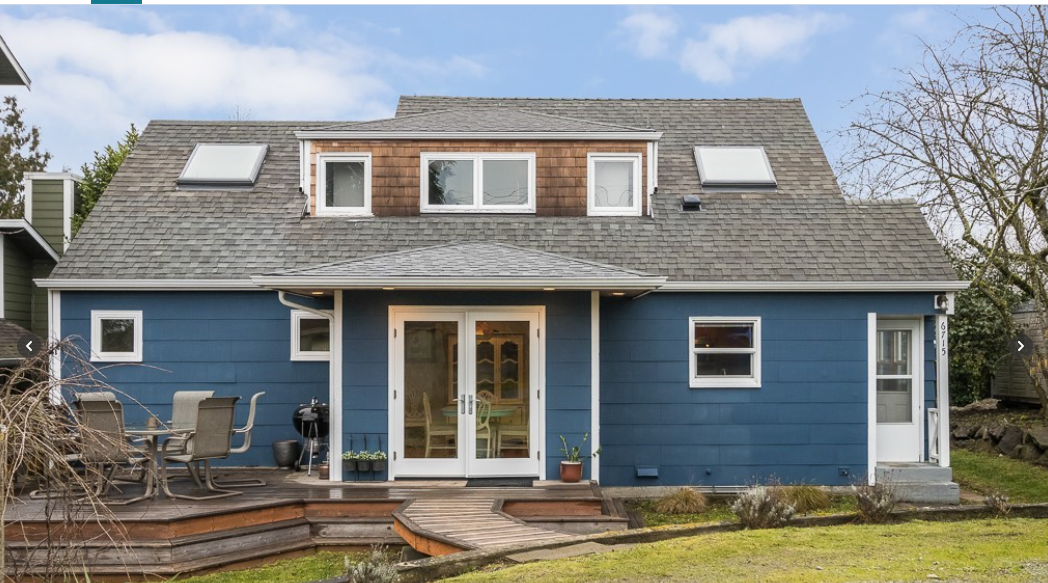
Cottages are known for their distinct architectural style. They are small homes, intended to house a single family. Cottages are typically asymmetrical, one to one-and-a-half story dwellings with low-pitched gable roofs and small covered porches. The chimney is often a central feature of the interior living space, a feature that greatly contributes to that cozy charm they are known for. The cottage represents an important evolution in home design, as they are often considered the precursor to the Craftsman home.