SOLD July 28, 2021

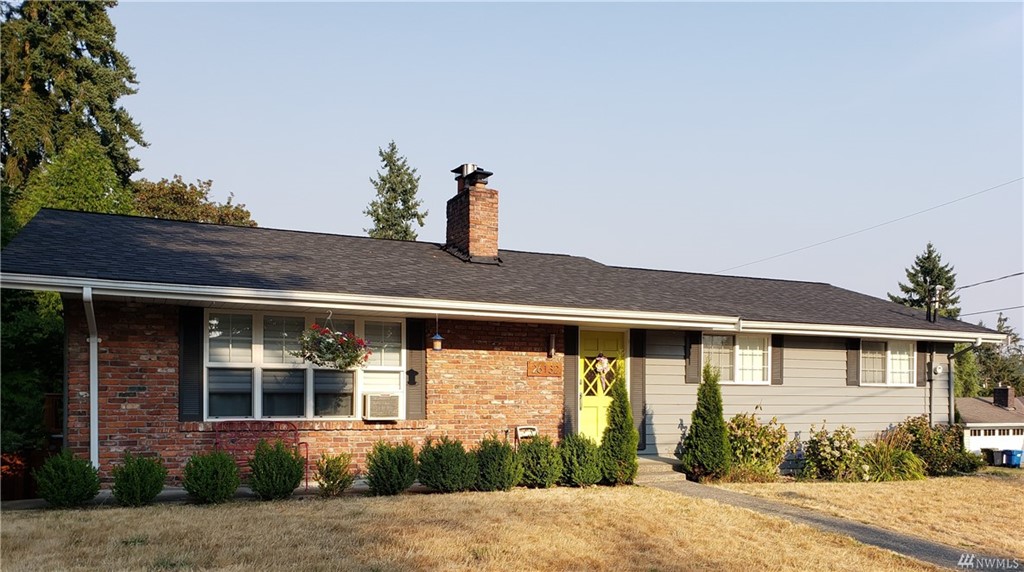
SOLD: Two Seattle Condos

6501 24th Ave NW #302
Seattle, WA 98117
Listed at $419,000

  • 2 beds
  • 1.00 baths
  • 800 SqFt
  • Year Built: 1977

Top floor corner unit with mountain views! Two-bedroom condo located just blocks to the heart of Ballard. Kitchen features granite countertops, dishwasher, microwave and stainless fridge. Large balcony to enjoy western sunsets. Great closet space plus designated storage unit. Assigned covered parking space. Small well managed HOA with no special assessments! Pet friendly. Close to grocery, bars and bus!

7314 Linden Ave N #7314
Seattle, WA 98103
Listed at $700,000

  • 3 beds
  • 2.00 baths
  • 1,107 SqFt
  • Year Built: 1996

View & Location! Green Lake has it all. Spacious 3 bedroom, 2 bath Townhome w/secured garage w/storage. Bask in the sun & enjoy the views of Green Lake, Cascades & fabulous Mt. Rainier from private upper deck. Or, relax in the shade in the fenced garden patio entry. Freshly painted interior. Maple Floors & Cabinets. Gas cooking, fireplace & heat. Dining plus eating bar. Primary bedroom w/walk-in closet and jetted soaking tub. Third bedroom w/bay windows makes perfect home office or gym. The best of urban living w/Green Lake amenities right out the front door. Just minutes to PCC, Green Lake, restaurants and easy access to downtown Seattle & UW. The perfect location for an active lifestyle.

Restaurant Reviews July 27, 2021

RESTAURANT REVIEW: Ristorante Picolinos in Ballard

COVID Status: Starting June 30, the State of Washington removed most COVID-19 restrictions. This means that most businesses and organizations may choose to operate as they did before the COVID-19 pandemic with no capacity limits or physical distancing requirements. For more information, go here.

Recommendation: If you’re looking for a great Italian restaurant in Ballard, I recommend giving Ristorante Picolinos a try.

Background: We’ve been going to Picolinos for many years. It’s a neighborhood staple.

Location: Located in Ballard at 6415 – 32nd Ave NW, Seattle. On the corner of NW 65th Street and 32nd Ave NW.

Food: They have a large menu including antipasti — fritto misto, carpaccio and mozzarella Caprese among them — followed by several pastas and relatively few “secondi,” but those entrees are augmented at lunch and dinner by specials. Portions are huge, be warned. I have several favorites and often choose one of the specials. Their ravioli is house made and hard to resist, with stuffed goat and ricotta cheese ravioli tossed in brown butter, fresh sage, and garnished with a dollop of rich tomato sauce as my favorite. The butter lettuce salad (a frequent special) is probably my favorite salad.

Service: The servers are friendly, helpful and attentive and treat you like family.

Atmosphere: Reminiscent of Italian country villa, the restaurant is warm and inviting. There are several seating areas in the restaurant, both inside and in the garden space outside in back. The exterior seating is tented and has heaters for the chilly months. There is also a small café on the corner, where you’ll find espresso, gelato, pastries and focaccia.

Ristorante Picolinos
6415 32nd Ave NW
Seattle, WA 98107

Photo courtesy of Ristorante Picolinos

Sellers July 22, 2021

Where to Stay While You Sell Your Home

The time between selling a home and moving into a new one can be a challenging period for homeowners that leaves them with a basic question: Where should I live? In the interim, there are various housing options to choose from but picking the right one depends on your personal situation and the amount of time it will take until you move into your new home.

Once you know it’s time to sell your home, there are various factors that will have an influence on what housing is available to you. Your budget will help determine your options. For example, if you are already in contract with your new home, you might be looking to save some money in preparation for move-in costs. Seasonality plays a role as well. Talk to your agent about real estate trends in your local market to understand which housing options tend to be available at certain times of year.

Where to Stay While You Sell Your Home 

In Your Home

There is the option to stay in your home while you sell it. If your home is still on the market, understand that a fully staged home will be fundamentally different from the one you’re used to. Once you’ve sold your home, there are additional options for staying as well. By working closely with your agent, you can negotiate a longer closing period or a rent-back agreement with the new owners. A rent-back agreement is an agreement between the two parties in which the seller rents their old home from the buyer for an agreed-upon period of time before the new buyers move in, allowing for a smooth transition to take place. Depending on the buyer’s urgency to move in and the competitiveness of the market, a rent-back agreement may not be feasible, but in the right situation it presents a mutually beneficial solution.

Apartment or Condo

Renting an apartment or condo while you wait to get into your new home can help make the transition easier. To avoid unpacking all your belongings only to have to pack them back up when it’s time to move again, try to find furnished listings in your area, or search for units that offer furnishing at an added cost. Although paying rent is an added expense, this set-up can help you stay organized throughout the moving process.

Friends & Family

If you have friends or family nearby that have space to accommodate you, they may be open to the idea of taking you in until you’re able to move into your new home. In this scenario, you’ll likely need to store your household items elsewhere, which will come with an added cost. Of all the options, this is typically the least expensive.

Short-Term Rentals

The short-term rental market offers a flexible approach to finding somewhere to stay. Filtering your results by location will allow you to select a place that won’t disrupt your daily routine. If you won’t be moving into your new home for an extended period of time, you can choose a rental with amenities accommodate your longer-term needs. Keep in mind, the cost of short-term rentals can easily add up, and in some cases may be more expensive than renting an apartment or condo.

Hotel

Another popular option for riding out the interim period between houses is staying at an extended-stay hotel. These hotels usually offer amenities that accommodate long-term living like a kitchen, living space, laundry services, a refrigerator, internet, and more.

For more information on selling your home, visit the Selling Page on my blog. To get an idea of what your home is worth, try our free home value calculator at the link below:

What Is My Home Worth?

Sellers July 20, 2021

The Best Ways to Determine Home Value

Of all the questions that arise during the selling process, “What’s my home worth?” is the first for most sellers. By using home valuation tools and understanding local market conditions, sellers can educate themselves on how much their home could potentially fetch on the market, but that’s just the tip of the iceberg.

Best Ways to Determine Home Value

Windermere’s home value estimator is a great starting point for sellers. Free to use, it will provide you with an instant home value and an expected price range, a heat map of buyer interest near you, and recent home sales in your area. Click the link below to get started.

What Is My Home Worth?

Comparative Market Analysis (CMA)

Though tools like home value estimators provide some data on what sellers can expect when pricing their home, nothing compares to the expertise a professional real estate agent offers. Various factors influence home prices including seasonality, market conditions, and location, and agents have the means to account for these factors to accurately price your home  by conducting a Comparative Market Analysis (CMA).

A CMA compares your home to others in your area that have either recently sold, are currently on the market, or had previously listed but have since expired. Depending on the conditions of the market, an agent will gather data for the past three to six months. When conducting a CMA, they’ll take into account recent market trends, competing properties, your home’s amenities, and its overall marketability. The analysis also considers aspects of the home such as lot size, condition, age, square footage, bedrooms and bathrooms, and the terms of financing. A thorough CMA will provide information on what homes in your area are selling for, how long they were on the market, and the difference between their listed and sold price.

So why is a CMA important? A CMA helps price the home more accurately, keeping the property competitive in the current market. For example, in a seller’s market where demand is driving up home values, an agent will work with their seller to account for the elevated prices before listing their home. Doing so allows you to avoid overpricing which usually results in a longer sale period. CMAs can also help buyers negotiate their asking price by having a data-backed analysis of the home’s value based on current market trends.

The key to a successful sale begins with pricing your home correctly, and finding the right agent to conduct a Comparative Market Analysis is critical to this process.

BuyersSellers July 15, 2021

Should You Rent or Buy When Moving Away?

There are certain advantages to moving down the street or across town. You’ll likely have a basic understanding of the local market conditions, you’re familiar with the area, and the limited distance between the home you’re selling and the one you’re moving into makes the moving process a bit easier. But moving to a new city or state that you’re not as familiar with can lead to questions about whether you should buy a home right away or rent until you know the area better.

Weighing the pros and cons between the two options while factoring in your lifestyle, your plans for the future of your household, and your budget will help guide you toward your decision.

Pros and Cons of Renting

Pros

The word that comes to mind to make the case for renting when moving to a new place is flexibility. By renting, there is less pressure to take the plunge on buying a new home right away. It gives you a chance to land, get to know the area, and explore what’s available on the market. For example, if you’re moving to a new city for work but have never been there before, renting might be a fitting solution to get your feet under you until you have a better idea of where you’d want to live long-term. All in all, renting can simplify the relocation process. With renting, it’s easier to predict your monthly expenses. And, in the event that something breaks or needs repair, it’s your landlord’s responsibility to fix it.

Cons

If you previously owned a home, moving into a rental likely means you’ll have to downsize. This may put you in a situation where you have to put some of your belongings in storage, adding an expense to the moving process. If you eventually decide to buy a home, you’ll have to move again from your rental. Moving twice, especially if it’s in a short timeframe, may not be worth the stress. It’s also worth noting that as a renter, your payments help build the homeowner’s equity, not your own. Therefore, the longer you rent, the longer you delay building your own wealth. Finally, renters are at the mercy of their landlords. If they decide it’s time for a rent increase, or that they want to sell the property, you’ll have to adjust accordingly.

Pros and Cons of Buying

Pros

Though buying a home right away is a larger financial commitment than renting, it allows you to quickly get settled in your new hometown. You won’t have to grapple with the challenges of downsizing to an apartment and you won’t have to worry about moving multiple times in the short term. Home ownership is also a gateway to building wealth over time.

Cons

If you’ve never visited your new hometown, it can be challenging to get a true feel for the area, which can lead to buyer’s remorse. Buying a home requires a significant financial commitment, especially if prices in the market you’re moving to are higher. Though the rewards of successfully buying a home are great, the process is full of intricacies and details that can add stress to the moving process, which you may not be up for right away. Furthermore, unlike renting, as a homeowner you are responsible for the maintenance of your property. Making repairs, tending to the yard, and keeping up the countless systems within the home requires time and money.

Ultimately, whether it’s best to rent or buy when moving to a new area depends on what’s right for you and your household. Are you looking to put down roots right away? Would you prefer to live in the area for a while before deciding where to live? Taking time to consider these factors and working closely with a real estate agent will help identify the right option for you.

Design July 13, 2021

The Best Indoor Plants for Every Room

With thousands of plant species, it can be hard to distinguish which plants are best suited for each room in your home, which greatly depends on sunlight exposure and temperature. A simple rule of thumb is to make higher maintenance plants more accessible to you. Some lower maintenance plants can go weeks without watering and require very low levels of sunlight.

Here’s a quick guide on indoor plants and where to place them in your home based on the level of care and management.

The Best Indoor Plants for Every Room

Living room

A monstera, a.k.a. Swiss cheese plant, works well in the living room due to its size and their natural inclination to climb. Providing a monstera with a stake or a trellis will bring about some decorative growth. Another large plant, the fiddle-leaf fig, works well in larger rooms. Fiddle-leaf figs tend to be more top-heavy with their large, floppy leaves. Both of these plants could work well next to a couch or sitting area where there is ample overhead space for the leaves. These large-leaved plants are typically happiest with indirect sunlight. Proper watering can be determined by observing the dryness of the soil. Once the top of the soil is dry to the touch, which is typically once a week for these plants, it’s time to give them a shower.

Bedroom/Office

Spider or jade plants can be great to have on a desk, and also work well to fill up shelving space. Adding a plant to a bookshelf here and there adds texture and brings a sense of wellness to the space, which is especially important when you’re working long hours from home. You could even swap a bookend for a plant to liven things up. Both of these plants are low maintenance and thrive in partial sun or shade. These plants typically require watering every two weeks, but when in doubt, check the soil to see if it’s dry.

Bathroom

Plants that require low levels of sunlight and enjoy high humidity—like ferns or bamboo—are great for the bathroom. Place them on your shower shelves or on a countertop to give your bathroom a spa-like feel. Because they can absorb water from the shower steam, they can go up to three weeks without a proper watering. Pothos, or Devil’s Ivy, is another great houseplant for the bathroom. They like to grow downward in a draping manner, so you can get creative with a hanging basket display.

Kitchen

Two plants that work well in kitchen spaces, such as on windowsills or in corners, are the Snake Plant and Cast-Iron Plant. The snake plant is known for its resiliency, and its thick leaves can handle the occasional splash from the kitchen sink or accidental bump from pots and pans. The Cat-Iron Plant is one of the toughest houseplants you’ll find. Where another plant may wither and die, the Cast-Iron Plant survives. Both are low maintenance plants can last weeks without watering. No green thumb? Fear not. These plants will keep on keepin’ on through harsh conditions or neglect, and their bright green leaves will help give your kitchen a fresh look and feel.

As the seasons change, your plant care routine will need to adjust to climate conditions. Some plants are known to go dormant in the darker months and require less amounts of water and sunlight. During springtime, fertilization can be done by adding fertilizer to the top of the soil.

Before you bring a new plant home that could end up in the hands (or paws) of a child or pet, do some research to be sure it’s safe for everyone in your household. Organizations such as the APSCA and the National Poison Center offer online sources to research the plants you plan on bringing home.

Homeownership July 8, 2021

7 Tips to Give Your Short-Term Rental a Competitive Advantage

As the usage of short-term rental services has increased over the years, so too has the competition between rental owners to make their properties stand out. There are a variety of marketing tactics you, as a rental owner, can employ to give your home an edge, but ultimately, making the property as appealing as possible is the best way to ensure your strategies are effective.

1. Boost Your Curb Appeal

Renters are scrolling through pages and pages of properties, looking for something that catches their eye at first glance. To make your property stand out, invest time and energy into the home’s curb appeal. Making these improvements doesn’t necessarily require breaking the bank, either. Simple projects like a fresh coat of exterior paint, refinishing the patio or deck, and creating a beautiful yard will go a long way towards helping your home stand out amongst the competition.

2. High-Quality Photography

Once you’ve spent time curating and beautifying your rental, it’s important to communicate its feel to potential renters. High-quality photos give renters the best impression of what it’s like to spend time in the home. Photograph every room in bright lighting to make the space as inviting as possible. Be sure to thoroughly clean every room before taking photos to have it looking as inviting as possible.

3. Improve Your Description

After potential guests explore your photos, they’ll read your property’s description. While it’s helpful to read descriptions of other listings in your area to get an idea of what tenants are looking for, it’s important to communicate the unique attributes of your home. Talk about what makes it special, emphasize the selling points, and reference what renters are seeing in the photos you’ve provided.

4. Repair or Replace Your Appliances

When guests are paying for a rental, they expect everything to be in fine working order. To make your property stand out, consider repairing or replacing your appliances. This makes for a more enjoyable stay and could potentially offer you a competitive advantage. All appliances have a certain life expectancy, so if you haven’t replaced your appliances in a while, it just may be time to do so.

5. Upgrade Your Bedroom and Bathroom

Renters are looking to relax, so any luxury you can provide them will do wonders for giving your property an edge amongst the competition. Two areas of the home where you can deliver on luxury are the bedroom and the bathroom. From the bedspread and pillows to the curtains and rugs, experiment with different textures in the bedroom to make it as comfortable as can be. A high-quality mattress is also a worthy investment to make your guests’ stay all the more memorable.

By making simple upgrades to your bathroom, you can give the guests the feeling of having their own personal spa. High-quality shower heads and a spacious, relaxing tub will help to deliver a luxurious atmosphere to your bathroom, as will meticulously cleaning the space and keeping your surfaces well organized.

6. Upgrade Your Kitchen

A welcoming kitchen is the key to making your rental feel like home. Kitchen makeovers often come at a high cost, but there are ways to transform your kitchen without breaking the bank. Start by upgrading your lighting, giving your walls a fresh coat of paint, and refinishing your cabinets. If your kitchen needs new appliances, remember to select them first before making any renovations to ensure their dimensions are correct.

7. Provide a Workspace

With more people working remotely than ever before, some renters will likely look at your property as a potential place to conduct their work. Accommodating these guests with a quality workspace can make your rental stand out. Consider making the workspace multifunctional using items like a folding desk. This gives remote workers the option to stow their home office setup at the end of the day while ensuring that the workspace won’t be a permanent fixture for guests on vacation.

Buyers July 6, 2021

Understanding Private Mortgage Insurance (PMI)

Buyers are constantly looking for ways to streamline the buying process, whether that’s working with their agent to identify how they can increase their buying powergetting pre-approved, or being as cash-ready as possible. Private Mortgage Insurance (PMI), though it is an additional expense, can be a gateway to homeownership, and for some buyers, may be their only choice to secure the required financing for a home.

What is PMI?

Understanding PMI begins with understanding down payments. A down payment is a lump sum payment made by the buyer early on in the process of obtaining a mortgage. The magic number lenders prefer to see paid down is usually twenty percent of the home’s purchase price. If a buyer doesn’t have that secured, the lender will typically require the buyer to purchase Private Mortgage Insurance (PMI), which protects the lender against the possibility of the buyer defaulting on the mortgage.

The Benefits of PMI

Fortunately, it’s not all-or-nothing when it comes to the twenty percent down payment—if you don’t have that amount on-hand, you can still purchase a home. Private Mortgage Insurance creates a pathway to home ownership for buyers who find themselves in this situation. Although PMI can raise the buyer’s monthly costs, it allows them to move in and start building equity immediately. For this reason, PMI may be a saving grace for buyers who are looking to leave their days of renting behind them and become a homeowner.

Alternatives to PMI

Saving up enough money to make a twenty percent down payment is the most direct way to avoid private mortgage insurance, but a down payment of this size may not be feasible for some buyers, especially in markets where prices are on the rise. Here are some alternatives:

Piggybacking

A common alternative to PMI is to take out a second loan to pay back the twenty percent down in addition to the primary mortgage. This is known as piggybacking, which rearranges the loan into an 80/10/10 split, where the first loan accounts for 80 percent of the total property value, the “piggyback” or second loan covers the next ten percent, and the down payment covers the remaining ten percent. (There are other loan structures besides 80/10/10, this is just one example.) This can be an effective strategy for those who are ready to purchase a home but do not have the savings to make the full down payment. However, buyers should be aware that the second loan will likely come with higher interest rates.

VA Loans

VA Loans are a helpful resource for active service personnel and veterans looking to purchase a home. Not having to purchase mortgage insurance is included among the list of benefits VA Loans offer to qualified buyers, however, they require a one-time “funding fee” that functions similarly to mortgage insurance.

Lender-Paid Mortgage Insurance

LPMI may be a viable option for buyers in certain cases. Not to be confused by the name, LPMI is a restructuring of the loan in which the lender pays the mortgage insurance premium upfront. LPMI will remain in place for the life of the loan and usually comes with higher interest rates. Buyers should consider the terms of LPMI and how they differ from standard PMI to decide which is right for them.

Other

Other types of loans offer an alternative to conventional mortgages. FHA loans have their own mortgage insurance, as do USDA loans. The mortgage insurance premium (MIP) on FHA loans may be favorable, but buyers should keep in mind that in most cases they will be paying two different insurance premiums—the upfront rate and an annual fee. To be eligible for a USDA loan, there are several requirements that both the buyer and the property must meet.

To navigate the process of home financing and learn about the options around obtaining Private Mortgage Insurance, it helps to work closely with a great real estate agent who can help their clients identify lenders in their network that they know and trust to secure the right loan. For more information on purchasing a home, visit the buying section of my blog.

Homeownership June 28, 2021

The Importance of Homeowners Insurance

In addition to providing shelter and comfort, our home is often our single greatest asset, and it’s important that we protect that precious investment. Most homeowners realize the importance of homeowners insurance in safeguarding the value of a home. However, what they may not know is that about two-thirds of all homeowners are under-insured.

What a Standard Homeowners Policy Covers

A standard homeowners insurance policy typically covers your home, your belongings, injury or property damage to others, and living expenses if you are unable to live in your home temporarily because of an insured disaster.

The policy likely pays to repair or rebuild your home if it is damaged or destroyed by disasters, such as wildfiresa winter storm, or lightning. Your belongings, such as furniture and clothing, are also insured against these types of disasters, as well as theft.

Some risks, such as flooding or acts of war, are routinely excluded from homeowner policies. Special coverage is needed to protect against these incidents. Your insurance company can let you know if your area is flood or earthquake prone. The cost of coverage depends on your home’s location and corresponding risk.

Other coverage in a standard homeowners policy typically helps cover the legal costs for injury or property damage caused to other people. For example, if someone is injured on your property and decides to sue, the insurance would cover the cost of defending you in court and any damages you may have to pay. Policies also provide medical coverage in the event someone other than your family is injured in your home. If your home is seriously damaged and needs to be rebuilt, a standard policy will usually cover hotel bills, restaurant meals and other living expenses incurred while you are temporarily relocated.

Keep in mind that homeowners insurance policies provide coverage for the owner(s) living in the home. If you plan on renting out your home, you’ll need to purchase landlord insurance in addition to your homeowners policy.

How Much Insurance Do You Need?

Homeowners should review their policy each year to make sure they have sufficient coverage for their home. The three questions to ask yourself are:

  • Do I have enough insurance to protect my assets?
  • Do I have enough insurance to rebuild my home?
  • Do I have enough insurance to replace all my possessions?

Here’s some more information that will help you determine how much insurance is enough to meet your needs and ensure that your home is sufficiently protected.

Protect Your Assets

Make sure you have enough liability insurance to protect your assets in case of a lawsuit due to injury or property damage. Most homeowners insurance policies provide a minimum of $100,000 worth of liability coverage. With the increasingly higher costs of litigation and monetary compensation, many homeowners now purchase $300,000 or more in liability protection. If that sounds like a lot, consider that even a dog bite claim can easily be tens of thousands of dollars. Talk with your insurance agent about the best coverage for your situation.

Rebuild Your Home

You need enough insurance to finance the cost of rebuilding your home at current construction costs, which vary by area. Don’t confuse the amount of coverage you need with the market value of your home. You’re not insuring the land your home is built on, which makes up a significant portion of the overall value of your property.

The average policy is designed to cover the cost of rebuilding your home using today’s standard building materials and techniques. If you have an unusual, historical or custom-built home, you may want to contact a specialty insurer to ensure that you have sufficient coverage to replicate any special architectural elements. Those with older homes should consider additions to the policy that pay the cost of rebuilding their home to meet new building codes. Finally, if you’ve done any recent remodeling, make sure your insurance reflects the increased value of your home.

Replacing Your Valuables

If something happens to your home, chances are the items inside will be damaged or destroyed as well. Your coverage depends on the type of policy you have. A cost value policy pays the cost to replace your belongings minus depreciation. A replacement cost policy reimburses you for the cost to replace the items.

There are limits on the losses that can be claimed for expensive items, such as artwork, jewelry, and collectibles. You can get additional coverage for these types of items by purchasing supplemental premiums.

To determine if you have enough insurance, you need to have a good handle on the value of your personal items. Create a detailed home inventory file that keeps track of the items in your home and the cost to replace them.

Create a Home Inventory File

It takes time to inventory your possessions, but it’s time well spent. This extra preparation also helps to keep your mind at ease.  The best method for creating a home inventory list is to go through each room individually and record the items of significant value. You can also sweep through each room with a video or digital camera and document each of your belongings. Your home inventory file should include the following:

  • Item description and quantity
  • Manufacturer or brand name
  • Serial number or model number
  • Where the item was purchased
  • Receipt or other proof of purchase / photocopies of any appraisals—along with the name and address of the appraiser
  • Date of purchase (or age)
  • Current value
  • Replacement cost

Pay special attention to highly valuable items such as electronics, artwork, jewelry, and collectibles. Simple inventory lists are available online.

Storing Your Home Inventory List

Make sure your inventory list and images are safely stored in case your home is damaged or destroyed. Keep them in a safe deposit box, at the home of a friend or relative, or on an online storage site. Some insurance companies provide online storage for digital files. (Storing them on your home computer does you no good if your computer is stolen or damaged.) Once your inventory file is set up, be sure to update it as you make new purchases.

We invest a lot in our homes, so it’s important we take the necessary measures to safeguard against financial and emotional loss in the wake of a disaster. Homeowners insurance is that safeguard. Be sure you’re properly covered.

Events June 25, 2021

Garden Tour 2021: Alan & Don’s Upper Rainier Beach Oasis

Alan and Don have been part of the Upper Rainier Beach Garden Tour for the last 11 years. After a virtual tour in 2020 due to the pandemic, they were thrilled to participate in person again this year. Enjoy these highlights…